
Posted By: Pacaña, Jhanmyl
Filipino native delicacies, known as kakanin, are popular snack foods that are usually served as merienda or desserts. Kakanin are native delicacies made ofmalagkit (glutinous rice), which comes in two varieties: the first-class variety that is sweet, rounded and white and the regular variety that is longish and translucent. The word kakanin is derived from kanin, Tagalog for rice.
There are some common types of kakanin in the philippines:

- BIBINGKA- Bibingka is a Filipino rice cake that’s usually enjoyed during the holiday season. Traditionally made with rice flour, bibingka is served warm, with melted butter on top and sprinkled with cheese or with grated coconut. This bibingka is made with galapong or glutinous rice which is widely-available and accessible. It tastes as delicious!
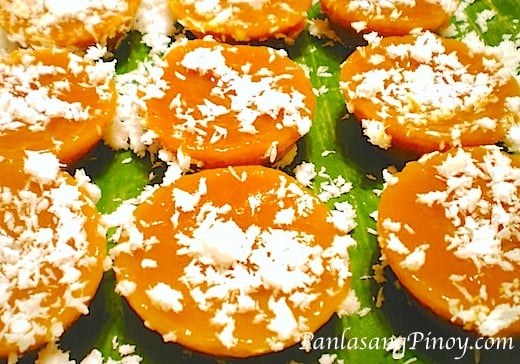
2. KUTCHINTA- Kutsinta or kuchinta or even brown rice cake is a type of “kakanin” that uses lye water as an ingredient. Kutsinta is somewhat sticky yet chewey (thats what lye water does) at the same time and is best eaten with grated coconut on top.
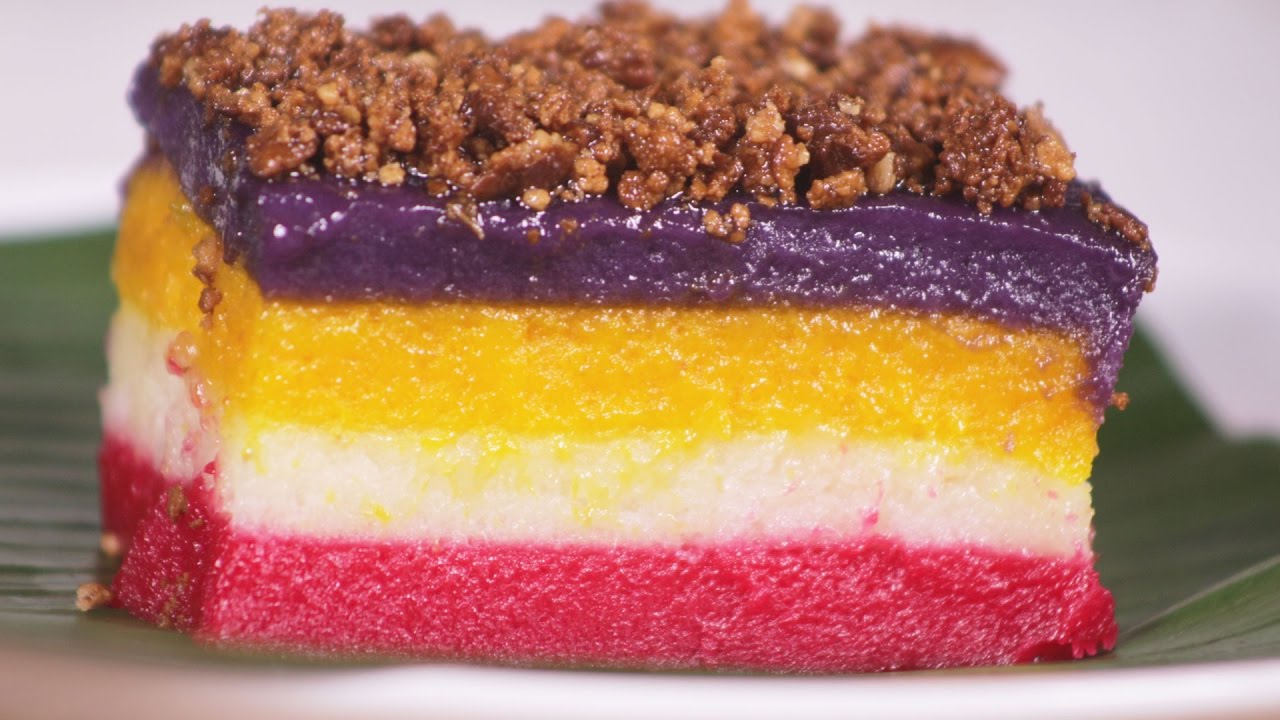
3. SAPIN-SAPIN
Sapin-sapin is a layered glutinous rice and coconut dessert in Philippine cuisine. It is made from rice flour, coconut milk, sugar, water, flavoring and coloring. It is usually sprinkled with latik or toasted desiccated coconut flakes sprinkled on top.

4. BIKO-
Biko is a sweet rice cake from the Philippines. It is made of coconut milk, brown sugar, and glutinous rice. It is usually topped with latik. It is a type of kalamay dish and is prepared similarly, except the rice grains are not ground into a paste. They are also sometimes packaged and sold as suman.
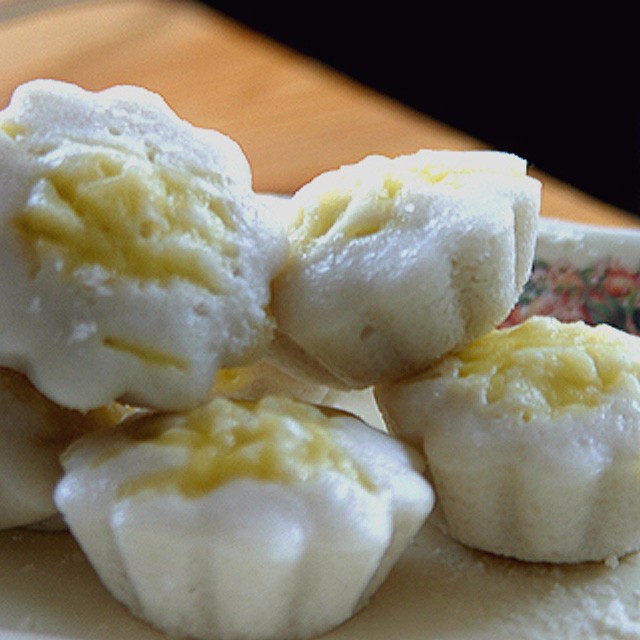
5. PUTO- Many home cooks and bakers would argue that making puto is a more delicate procedure than baking a cake. To create a perfect steamed-rice cake, a number of factors such as room temperature and cooking conditions should be taken into consideration—too hot, and the puto may end up tasting sour; too cold, and the mixture might not rise.








 Famous Food Around the World